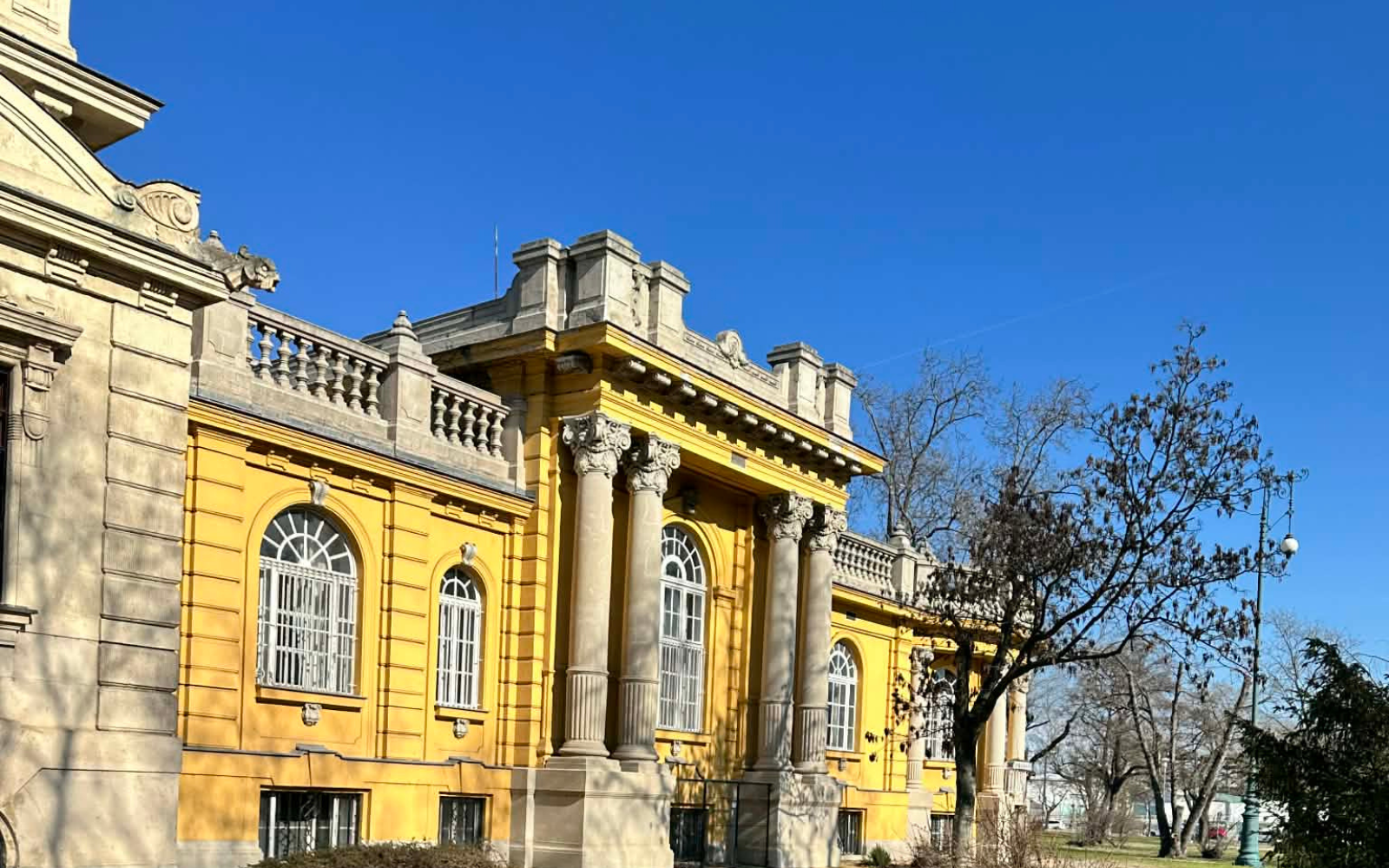
A first visit to a Budapest thermal bath can feel exciting and slightly confusing at the same time.
You may have seen photographs of steam rising from outdoor pools, chess games played in warm water and grand yellow or tiled buildings that seem closer to palaces than public baths. Yet practical questions often appear only when the visit is already close.
Which bath should you choose? Do you need a towel? Is a cabin different from a locker? How long should you stay? And what actually happens after you enter?
Budapest’s baths are not only sightseeing attractions. They are part of the city’s bathing culture: places for warmth, rest, movement, conversation and unhurried time.
You do not need to understand every pool or try every facility. Choose the bath that fits your travel style, bring the essentials and leave enough space in the day to enjoy it without rushing.
Quick answer: what should you know before visiting a Budapest thermal bath?
Bring swimwear, waterproof slippers, a towel, drinking water and dry clothes for afterward. Allow around two and a half to three hours for a comfortable first visit.
Choose Széchenyi for the classic, lively Budapest bath experience, Rudas for historic atmosphere and Danube views, or Lukács for a quieter, less sightseeing-focused visit.
Check the official website shortly before going. Opening hours, available pools, age restrictions, maintenance closures and ticket conditions can change.
Advance booking is useful when your schedule is fixed, but it is not necessary simply because a booking page creates urgency.
Budapest thermal baths at a glance
| Bath | Best for | Atmosphere | What to check |
|---|---|---|---|
| Széchenyi | A classic first visit | Grand, lively and social | Crowds, available pools and event dates |
| Rudas | History and Danube views | Atmospheric and more complex | Turkish bath schedule, zones and access rules |
| Lukács | A quieter bathing experience | Traditional and less visitor-focused | Service hours and available facilities |
| Gellért | Currently closed | Historic Art Nouveau setting | Renovation and reopening updates |
Which Budapest bath fits the way you travel?
There is no single Budapest bath that is best for everyone.
The right choice depends on whether you want grand architecture, outdoor pools, quiet soaking, historic atmosphere, city views or an unusual evening experience.
Széchenyi: the classic first Budapest bath
Széchenyi is the image many travellers have in mind when they think of bathing in Budapest.
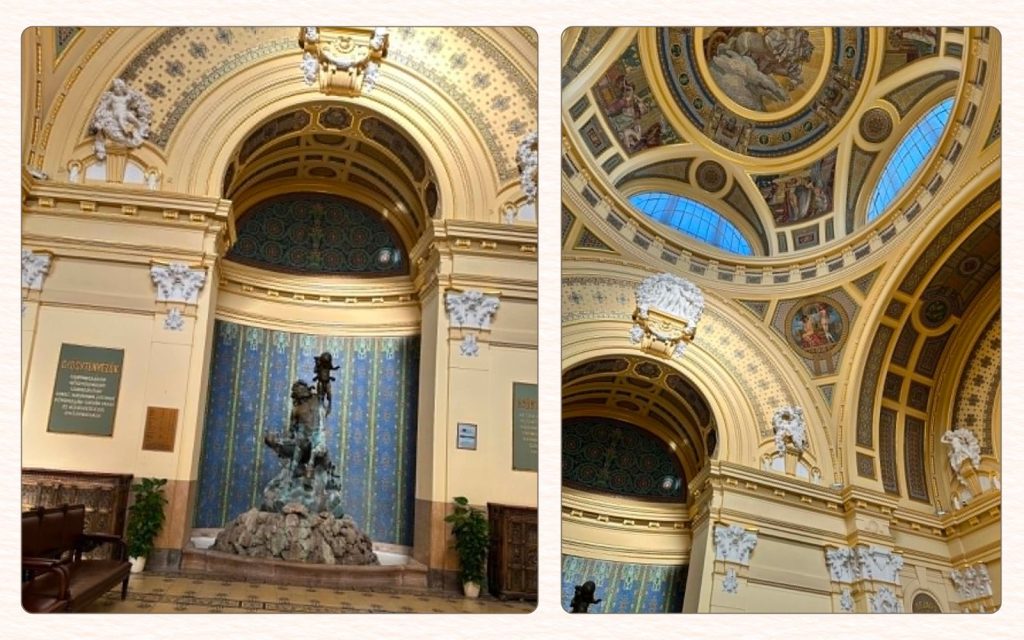
Its yellow Neo-Baroque buildings, large courtyards and outdoor pools make it feel both monumental and unexpectedly social. People swim, talk, float, play chess and rest in the warm water while the city continues beyond the walls.
For many first-time visitors, it is the simplest choice because it delivers the recognisable Budapest bath experience in one large complex.
Choose Széchenyi if you want:
- outdoor thermal pools;
- grand historic architecture;
- an energetic, social atmosphere;
- a first visit that feels distinctly Budapest;
- several pools and wellness facilities in one place;
- easy access from City Park.
The size can also be its main disadvantage.
The complex may feel confusing at first, and popular periods can be busy. Give yourself time to find the changing area, understand the layout and settle into the experience.
You do not need to move constantly from pool to pool. Find a temperature that feels comfortable and stay long enough to notice the steam, the voices and the changing light around the courtyard.
A note from Leja
What always surprises me at Széchenyi is how much life exists between the old walls. The building carries history, yet nothing about it feels frozen. There is conversation, movement, laughter and the gentle rhythm of people entering and leaving the water. For me, that contrast creates the emotion of the place: Budapest’s past is present, but it is still being lived.
The City Park around Széchenyi
Do not treat the bath as an isolated stop.
Széchenyi stands in Városliget, Budapest’s City Park, where you can walk beneath trees, pause near Vajdahunyad Castle or simply let the day become quieter before or after the bath.
The park can feel calm and full of life at the same time. Runners, families, couples, visitors and local residents move through the same landscape, but the open space softens the energy of the city.
A note from Leja
Walking through City Park before entering Széchenyi changes the whole rhythm of the visit for me. The trees, paths and open spaces bring a sense of calm, while the people around me keep the park alive. By the time I reach the bath, I already feel that the day has slowed down. Afterward, the walk back through the park helps me carry that calm into the city.
How the thermal water feels
Széchenyi is a thermal and medicinal bath supplied by mineral-rich hot-spring water. Its official water information lists minerals including calcium, magnesium and hydrogen carbonate.
The water’s formal therapeutic uses belong in a medical context, and a general travel guide should not promise health outcomes.
The personal experience can still be meaningful.
A note from Leja
I know that the word “healing” carries medical meaning, so I do not use it as a promise. I can only describe how the water feels to me. After time in the warm pools, my body often feels lighter and my mind quieter. I leave with a sense of renewed energy—as though the warmth has loosened something I had been carrying through the day.
You can read the bath’s current information about its thermal water on the official Széchenyi water-composition page.
Sparty at Széchenyi: when the historic bath becomes a night party
Széchenyi is not only a daytime bath.
On selected Saturday nights, the outdoor pool area becomes Sparty, an adults-only thermal bath party with electronic music, lights, performances and a very different atmosphere from an ordinary daytime visit.
At the time of writing, Sparty events are generally held on Saturdays from February to December, from 21:30 until 02:00. Guests must be at least 18 years old. Dates, entry rules and ticket conditions can change, so check the official Sparty schedule before building it into your trip.
A Sparty ticket is not the same as an ordinary daytime bath ticket. Daytime services such as regular saunas or massages should not be assumed to be included or available during the event.
A note from Leja
Sparty is one of those Budapest experiences that can stay vivid long after the trip. Warm water, old architecture, music and light come together in a way that feels almost unreal.
I also do not see it as an experience reserved for people in their twenties. I still enjoy it at 55. The pleasure is not about trying to appear younger; it is about allowing yourself to be present, playful and part of the energy around you.
For a birthday, it can feel especially memorable. Celebrating in warm water beneath the lights of a historic bath is very different from an ordinary restaurant evening. It works best for someone who genuinely enjoys music, crowds and a lively late night—not simply because it looks impressive online.
Is Sparty right for you?
Consider it if:
- you enjoy electronic music and large social events;
- you are comfortable in a crowded pool environment;
- you want an unusual birthday or group celebration;
- you are looking for a nightlife experience rather than quiet bathing;
- you are prepared for a late finish;
- everyone in the group is over 18.
Choose a normal daytime visit instead if:
- you want peaceful thermal bathing;
- you dislike crowds or loud music;
- you want to explore the indoor pools and wellness areas slowly;
- you are uncomfortable carrying few belongings in a party setting;
- the traditional bath atmosphere matters more to you than nightlife.
For Sparty, bring only the necessary items, secure your locker or cabin carefully and read the official rules and arrival information before attending.
When advance booking may help at Széchenyi
Advance booking can be useful when:
- you are visiting on a weekend or holiday;
- your Budapest itinerary allows only one possible bath day;
- you want a specific cabin or package;
- you prefer an official fast-track ticket;
- you are attending Sparty;
- the bath is a central part of a birthday or special trip.
Check exactly what the ticket includes.
A standard locker ticket, a cabin ticket, a private spa package and a Sparty ticket are different products. Do not assume that every online ticket guarantees immediate entry. Current tickets and inclusions are listed on the official Széchenyi ticket site.
Rudas: history, river views and more rules to check
Rudas offers a different kind of Budapest bath experience.
Its historic Turkish bath creates a more enclosed and atmospheric setting, while the modern wellness area includes a rooftop pool with a view toward the Danube.
It can suit travellers who want:
- Ottoman-era bath atmosphere;
- a more intimate historic setting;
- a Danube view;
- a combination of old and modern bathing spaces;
- an experience that feels less like Széchenyi’s grand outdoor scene.
Rudas requires more preparation than most first-time visitors expect.
Different areas may operate under different schedules, and access to the Turkish bath can vary by day, time and visitor group. Night bathing also follows separate ticket rules.
Do not rely on an old travel article or social media post for the schedule. Check the official Rudas opening-hours page for your exact date.
At the time of writing:
- guests under 14 are not admitted;
- night-bathing tickets are available online;
- only the designated fast-track ticket guarantees immediate entry;
- the official site currently states that the bath is not accessible to visitors with disabilities.
These details can change and should be checked again shortly before travel.
Who should choose Rudas?
Choose Rudas if historic atmosphere matters more than having the largest selection of outdoor pools.
It may also be a better fit if you are comfortable reading the schedule carefully and selecting a ticket for a particular area or time.
For a simple, spontaneous first bath, Széchenyi or Lukács may require less advance understanding.
Lukács: a quieter bath without the postcard pressure
Lukács feels less designed around the expectations of first-time sightseers.
It has a more traditional, everyday bathing rhythm and can appeal to travellers who care more about the water and the act of bathing than iconic architecture or social-media photographs.
Choose Lukács if you want:
- a calmer atmosphere;
- a less monumental setting;
- a traditional Budapest bathing experience;
- fewer visitors arriving only for photographs;
- a bath that fits naturally into a slower day.
Lukács should not be presented as a secret known only to locals. It is an established public bath and visitors are welcome.
Its difference is subtler: the experience is generally less centred on spectacle.
Opening hours for individual services can differ from the bath’s general hours. Check the official Lukács website before visiting.
Gellért Bath renovation update
Gellért is one of Budapest’s most recognisable historic baths, known for its Art Nouveau interiors.
It is not currently available as a bathing option.
Current update: Gellért Thermal Bath has been closed for renovation since 1 October 2025. Its official website currently lists a planned reopening in 2028.
Because renovation timelines can change, verify the latest information on the official Gellért Bath website before planning a future trip around it.
While Gellért is closed:
- choose Széchenyi for grand architecture and outdoor pools;
- choose Rudas for historic atmosphere;
- choose Lukács for a quieter traditional visit.
What to bring so the bath feels easy
Bringing the right basics makes the experience much calmer.
Essential
Bring:
- swimwear;
- waterproof slippers or flip-flops;
- a towel;
- drinking water;
- dry underwear or clothes for afterward.
Waterproof slippers are not a decorative extra. Wet tiled floors can be slippery, and some baths require appropriate footwear in common areas.
Useful
You may also want:
- a hair tie;
- shampoo and shower gel;
- a bag for wet swimwear;
- a waterproof phone pouch;
- a small comb or brush;
- a light robe in colder weather;
- basic skincare for afterward.
Check before visiting
Verify whether you need or can obtain:
- a swimming cap;
- a towel;
- a robe;
- toiletries;
- a cabin;
- a locker;
- a waterproof phone case;
- any additional sauna access.
At Széchenyi, the official FAQ currently states that ordinary admission does not include free swimwear, towels, robes, slippers or swimming caps, and that rental is not available. Slippers are mandatory, while a cap is required in the lap-swimming pool rather than every thermal pool.
Do not assume every Budapest bath follows exactly the same equipment policy.
Cabin or locker: which ticket should you choose?
The difference is simple once you know what the words mean.
Locker
A locker stores your clothes and personal items.
You normally change in a shared changing area. This is usually the more economical option and is sufficient for many visitors.
Cabin
A cabin is a small private changing cubicle that also functions as your storage space during the visit.
It can be useful when:
- you prefer more privacy;
- you are visiting as a couple;
- you have several layers of winter clothing;
- you are carrying more than a small bag;
- a private place to change will make the first visit feel easier.
A cabin is not a private spa room or relaxation suite. It is a practical changing and storage space.
The calm choice
Choose a locker when you are comfortable with shared changing spaces and want the simpler ticket.
Choose a cabin when a little extra privacy will remove stress from the experience.
The cheapest option is not automatically better if uncertainty follows you through the whole visit.
What happens when you enter?
Every bath has its own layout, but the basic sequence is usually similar.
1. Your ticket is checked
You may receive or activate a wristband used for entry and for opening your locker or cabin.
Keep it secure.
2. You find the changing area
Large historic baths can be difficult to understand at first. Look for signs or ask a member of staff rather than wandering while frustrated.
3. You change and store your belongings
Check that the locker or cabin has actually locked before leaving.
Avoid bringing valuable jewellery, unnecessary electronics or important documents when possible.
4. You shower
Shower before entering the pools and follow any hygiene instructions displayed at the bath.
5. You find the pool area
The route may pass through several corridors or levels. This is normal in older bath buildings.
6. You begin slowly
Do not start with the hottest pool simply because it seems most appealing.
Allow your body to adjust. Move gradually between temperatures, rest when needed and drink water.
The first ten minutes may feel more confusing than relaxing. Once you understand the space, the experience usually becomes easier.
Budapest bath etiquette: quiet, simple and respectful
Bath etiquette is mostly a matter of hygiene, awareness and respect for shared space.
Shower before entering the water
Follow the bath’s posted hygiene rules.
Wear appropriate swimwear
Budapest’s public thermal baths generally require swimwear in mixed bathing areas. Specific historic or scheduled sessions may have additional rules.
Use waterproof slippers
Wear them in changing rooms, corridors and poolside spaces unless a sign states otherwise.
Respect the purpose of each pool
Thermal soaking pools and swimming pools are not used in the same way.
Do not jump, dive or treat quiet thermal pools like leisure-water attractions.
Check swimming-cap rules
Caps are often required in lap-swimming pools but not necessarily in thermal pools.
Photograph carefully
Historic interiors are beautiful, but other visitors are not part of your travel photography.
Avoid photographing people without consent, especially in changing, shower and pool areas.
Keep your voice comfortable for the space
A bath is not always silent, and Széchenyi can be lively. Still, not every pool needs party-level noise.
The exception is a dedicated event such as Sparty, where the atmosphere is intentionally different.
Follow staff instructions
Rules can vary by facility, pool, event and time of day.
Posted information and staff guidance take priority over what you read in an older guide.
How much time should you allow?
For a first visit, allow around two and a half to three hours.
This gives you time to:
- enter without rushing;
- change;
- understand the layout;
- try several pools;
- rest between temperatures;
- shower and dress afterward.
Two hours may be enough for a smaller or familiar bath. At a large complex such as Széchenyi, it can feel hurried.
You do not automatically need to spend the whole day.
The goal is not to use every facility included in the ticket. It is to leave feeling calmer rather than exhausted.
Avoid placing an intense museum visit, a long walking tour or a timed dinner reservation immediately after the bath.
In a three-day itinerary, the bath works well as the main afternoon experience. See First Time in Budapest: A Calm 3-Day Itinerary for a balanced way to place it in the trip.
When to visit for a calmer experience
No time guarantees an empty bath, but timing changes the atmosphere.
Weekday mornings
These can feel easier for first-time visitors, particularly when you prefer to understand the layout before the busiest part of the day.
Later afternoons
A late-afternoon visit can create a beautiful transition into evening, especially in cooler weather.
Check closing times carefully so you do not spend the final hour watching the clock.
Weekends and holidays
Expect more visitors and allow extra time for entry, changing and finding space in popular pools.
Advance booking may be helpful when the bath is a fixed part of a short trip.
Winter
Outdoor bathing in cold air can be one of Budapest’s most memorable experiences.
Bring warm, easy-to-put-on clothes and allow extra time for drying your hair and dressing afterward.
Summer
Outdoor spaces feel livelier, but shade, hydration and crowd levels matter more.
Do not remain in hot water for long periods simply because the air temperature makes it seem easier.
Do you need to book in advance?
Not always.
Booking is genuinely useful when:
- your schedule permits only one bath day;
- you are visiting at a busy time;
- you want a specific cabin or package;
- you need a timed service;
- you are attending night bathing or Sparty;
- the official website shows limited availability.
You may not need to book when:
- your dates are flexible;
- you are comfortable changing plans;
- you are visiting at a quieter time;
- you only need ordinary admission;
- the official bath site indicates normal availability.
Avoid purchasing a third-party ticket before comparing it with the official option.
Official ticket or third-party platform?
An official ticket may offer:
- direct information from the bath;
- clearer access to current rules;
- fewer questions about who fulfils the booking;
- straightforward entry products.
A third-party ticket may offer:
- flexible cancellation;
- multilingual support;
- a combined tour or transport service;
- a package not offered directly.
Before purchasing, verify:
- the exact bath;
- the visit date;
- whether the ticket includes a cabin or locker;
- whether it guarantees fast entry;
- cancellation conditions;
- the name of the actual ticket provider;
- whether spa services or massages are included.
“Skip the line” should have a clear operational meaning. Do not pay extra for wording that is not explained.
Can children visit Budapest thermal baths?
Age rules vary and have changed in recent years.
At the time of writing, the official websites of Széchenyi, Rudas and Lukács state that the baths cannot be visited by children under 14.
Families should verify the rule directly before travel, particularly when reading older articles that describe different conditions.
Official information:
A thermal bath is not automatically a family water park. For a family trip, look for a Budapest swimming complex or lido whose pools and admission policy are designed for younger visitors.
Health, heat and personal comfort
Thermal bathing is not equally suitable for everyone.
The water can be hot, and moving between warm pools, saunas and cooler spaces affects the body.
Take particular care if you:
- are pregnant;
- have a heart or circulatory condition;
- have blood-pressure concerns;
- are sensitive to heat;
- are recovering from illness;
- take medication that affects temperature regulation or circulation;
- have been advised to limit hot bathing.
Ask a qualified medical professional when you are unsure.
During the visit:
- enter hot water gradually;
- take breaks;
- drink water;
- do not remain in the hottest pool for an extended period;
- avoid excessive alcohol;
- leave the pool if you feel dizzy, weak or unwell;
- ask staff for help when needed.
Budapest’s thermal waters have formal medicinal classifications and uses, but a travel article cannot assess whether they are medically appropriate for an individual visitor.
You do not need to prove endurance. Comfort is a better guide than the number of minutes spent in the water.
Frequently asked questions
Which Budapest thermal bath is best for a first visit?
Széchenyi is the classic first choice because of its outdoor pools, architecture and lively atmosphere.
Choose Rudas for a more historic setting and Danube views. Choose Lukács for a quieter experience with less emphasis on spectacle.
What should I bring to a Budapest thermal bath?
Bring swimwear, waterproof slippers, a towel, drinking water and dry clothes for afterward.
A bag for wet swimwear, toiletries and a hair tie can also be useful.
Do I need to book Budapest thermal baths in advance?
Not always.
Advance booking is helpful on busy dates, when your itinerary is fixed or when you want a particular ticket, cabin, event or service.
Check the bath’s official website before purchasing through a third party.
Should I choose a cabin or a locker?
Choose a locker for simple storage and a lower-cost visit.
Choose a cabin when you want a small private space for changing and storing your belongings.
How long should I spend at a Budapest bath?
Allow approximately two and a half to three hours for a relaxed first visit.
Large complexes such as Széchenyi may require more time simply for changing and understanding the layout.
Is Sparty only for young people?
Sparty is open to adults aged 18 and over, but it is not defined by one age group.
The more useful question is whether you enjoy electronic music, crowds, late nights and a lively social atmosphere. A confident 55-year-old who loves the experience may enjoy it more than a 25-year-old who dislikes crowded parties.
Can I celebrate a birthday at Sparty?
Yes, it can be a memorable birthday experience for an adult group that enjoys music and nightlife.
Buy tickets early, agree on a meeting plan and read the venue rules together. Sparty is a large event rather than a private birthday package unless a specific package states otherwise.
Can children visit Budapest thermal baths?
Current rules at Széchenyi, Rudas and Lukács exclude visitors under 14.
Always verify directly with the chosen bath, because policies can change and older online information may no longer be correct.
Is Gellért Bath open?
No.
Gellért Bath has been closed for renovation since 1 October 2025. The official website currently lists 2028 as the planned reopening year.
Are Budapest thermal baths open in winter?
Several Budapest baths operate throughout the year, including winter.
Opening hours, outdoor-pool access and individual services can vary, so check the official bath website for your travel date.
Final thoughts
A Budapest thermal bath does not need to be approached as another sight to complete.
Choose one bath rather than trying to compare every pool in the city. Bring what you need. Leave room in the schedule. Let the first uncertainty pass.
Then notice what is around you.
Steam rising into cold air. Water reflecting against old walls. Quiet conversations. A game of chess. The weight of the day gradually softening.
At Széchenyi, the same historic setting can hold two completely different experiences: a calm morning in warm water or a Saturday night filled with music and light.
Both belong to Budapest.
The right one is the experience that fits you—not the one you feel expected to choose.
Travel. Taste. Feel.
That is the Leja way.
Your next step: choose the bath that fits your trip
For a classic first visit, review current admission information on the official Széchenyi Thermal Bath website.
For more historic atmosphere, check the official Rudas Thermal Bath website.
For a quieter alternative, visit the official Lukács Thermal Bath website.
To place the bath naturally within your first Budapest trip, continue with First Time in Budapest: A Calm 3-Day Itinerary.
Budapest thermal baths are one of the city’s most memorable experiences.
For many first-time visitors, they are also a little confusing.
Which bath should you choose? Do you need to book in advance? What should you bring? Are the baths romantic, relaxing, crowded, local, touristy, historic, modern — or somehow all of these at once?
The answer is: it depends on the bath, the time of day, and the kind of experience you want.
Budapest is a city of thermal water, old bath culture, tiled corridors, outdoor pools, steam, mineral warmth and slow rituals. A bath visit can be one of the best parts of your trip, but it is better when you know what to expect before you go.
This calm guide explains the basics of Budapest thermal baths for first-time visitors.
Why Budapest is famous for thermal baths
Budapest sits on natural thermal springs, and bathing culture has been part of the city for centuries.
Some baths have Ottoman-era roots. Others became grand spa complexes during later periods of the city’s development. Today, Budapest’s baths are used by locals, wellness visitors, tourists, couples, families, older guests, spa lovers and curious first-time travellers.
A thermal bath in Budapest is not only a swimming pool. It is part health ritual, part social habit, part architecture, part tourism and part city memory.
This is why a bath visit can feel very different from one place to another.
Quick answer: which Budapest thermal bath should you choose?
If this is your first time in Budapest and you want the most classic experience, choose Szechenyi Thermal Bath.
If you want something more atmospheric and historic, choose Rudas Bath.
If you want a more local, quieter and traditional feeling, consider Lukacs Bath.
If you have seen older guides recommending Gellert Bath, be careful: Gellert Thermal Bath is currently closed for renovation from October 1, 2025, with planned reopening in 2028, according to the official Gellert Bath website.
For most first-time visitors right now, the safest choices are:
- Szechenyi,
- Rudas,
- Lukacs.
Szechenyi Thermal Bath: best for the classic first visit
Szechenyi is the bath many visitors imagine before they arrive in Budapest.
It is large, iconic and visually memorable, with outdoor pools, historic yellow buildings and a feeling of grand Budapest spa culture. It is often busy, but for a first visit, it can still be the easiest bath to understand and enjoy.
Choose Szechenyi if you want:
- the classic Budapest bath experience,
- outdoor thermal pools,
- a visually iconic setting,
- a first-time visitor-friendly choice,
- a bath that feels like a real Budapest landmark.
The official Széchenyi site notes that service opening hours may vary, so it is best to check current times before visiting.
Szechenyi is not always the calmest option, especially at peak times. If you want a quieter experience, go earlier in the day and avoid the busiest weekend hours when possible.
Rudas Bath: best for atmosphere and historic feeling
Rudas has a very different mood from Szechenyi.
It is more atmospheric, more intimate and strongly connected to historic bath culture. Many visitors choose it for its Turkish bath feeling, wellness areas and, depending on the ticket and current access rules, its rooftop pool experience.
Choose Rudas if you want:
- a more historic atmosphere,
- a romantic or moody bath experience,
- something less visually “postcard obvious” than Szechenyi,
- a bath that feels connected to old Budapest.
Rudas can have different access rules, zones and time periods, so always check the current schedule before you go. This matters especially if you are visiting as a couple, with family or on a specific day.
Lukacs Bath: best for a more local feeling
Lukacs is often described as more traditional and less showy than Szechenyi.
It may appeal to travellers who want to experience Budapest bath culture without choosing the most famous tourist option. It can feel more local, more everyday and less like a sightseeing stop.
Choose Lukacs if you want:
- a more traditional bath,
- a calmer atmosphere,
- a less obvious first choice,
- a spa experience with local character.
For first-time visitors, Lukacs may require a little more orientation than Szechenyi, but that can also be part of its charm.
What about Gellert Bath?
Gellert Bath is one of Budapest’s most beautiful historic baths, famous for its Art Nouveau architecture and elegant interiors.
However, it is not currently available for normal visits.
The official Gellert Bath website states that the bath is closed from October 1, 2025, with planned reopening in 2028.
This is important because many older Budapest travel guides still recommend Gellert as if it were open. If you are planning a trip now, choose another bath and always check the latest status before booking.
Do you need to book Budapest thermal bath tickets in advance?
For popular baths, booking in advance can be helpful, especially during busy travel periods, weekends and holidays.
You may be able to buy tickets on arrival, but lines can be longer at peak times. If you have a fixed itinerary or only one possible bath day, booking ahead can make the visit easier.
Before booking, check:
- which bath you are booking,
- date and time,
- locker or cabin options,
- included areas,
- cancellation rules,
- opening hours,
- any age, access or gender-specific rules,
- whether towel or swimwear rental is available.
Budapest bath tickets can vary by bath, day and ticket type, so always confirm the current details directly with the official bath or booking provider.
What to bring to Budapest thermal baths
Bring the basics, even if some items may be available for rent or purchase.
A simple bath bag should include:
- swimwear,
- flip-flops or waterproof sandals,
- a towel,
- water,
- hair tie if needed,
- basic toiletries,
- a plastic bag for wet swimwear,
- a dry change of clothes.
A swim cap may be required for some swimming pools, though not usually for thermal sitting pools. Rules can vary, so check before you go.
Flip-flops are strongly recommended. The floors can be wet, and you will feel more comfortable walking between pools, lockers and showers.
Locker or cabin: which should you choose?
Many Budapest baths offer locker or cabin options.
A locker is usually cheaper and enough if you are comfortable changing in a shared changing area.
A cabin gives you a small private changing space, which can be useful if you are travelling as a couple, carrying more belongings or simply prefer more privacy.
For a first visit, a cabin can make the experience feel easier, especially if you are not familiar with the bath layout.
When is the best time to visit?
For a calmer bath experience, try to go:
- on a weekday,
- in the morning,
- outside major holiday periods,
- not immediately after lunch,
- not at peak weekend times.
Szechenyi is especially popular, so early visits can feel more pleasant.
Evening visits can be beautiful, especially in cooler months, but they may also be busier or more social depending on the bath and day.
If your Budapest itinerary is already full, avoid squeezing a bath visit into a tiny gap. Give yourself enough time to arrive, change, understand the layout, bathe slowly, shower and leave without rushing.
How much time should you allow?
For a first bath visit, allow at least 2 to 3 hours.
This gives you time for:
- arrival,
- ticket check,
- changing,
- finding the pools,
- bathing,
- resting,
- showering,
- getting dressed,
- leaving calmly.
If you are booking spa treatments or want a slower half-day experience, allow more.
A Budapest bath should not feel like a quick photo stop. It is better when you give it space.
Bath etiquette: how to behave respectfully
Budapest thermal baths are tourist attractions, but they are also real places used by locals.
A few simple habits help:
- shower before entering pools,
- wear appropriate swimwear,
- use flip-flops,
- keep your voice moderate,
- respect quiet areas,
- do not take intrusive photos of other guests,
- follow posted rules,
- check pool temperatures before entering,
- do not treat historic spaces like a party backdrop.
Photography can be sensitive because people are in swimwear and relaxing. If you take photos, avoid photographing strangers closely or recognisably.
Are Budapest thermal baths romantic?
They can be.
A thermal bath can be a lovely part of a romantic Budapest weekend, especially in cooler weather or after a day of walking.
But choose the bath carefully. Szechenyi is iconic but can be busy. Rudas may feel more atmospheric. A Danube walk before or after the bath can make the experience feel more complete.
For couples, I would avoid overpacking the day. A bath visit works best when it is not squeezed between too many attractions.
For a full couple-friendly plan, read Romantic Weekend in Budapest: A Slow 2-Day Itinerary.
Are the thermal baths good in winter?
Yes, winter can be one of the most memorable times to visit Budapest thermal baths.
Outdoor thermal pools feel especially atmospheric when the air is cold and the water is warm. This is one reason Szechenyi is so popular in winter.
Bring warm clothes for after the bath, dry your hair properly if needed, and do not rush back into the cold without getting comfortable first.
Winter bath visits can feel magical, but they still require practical planning.
Are Budapest thermal baths suitable for children?
Some baths and pools may be more suitable for families than others, and age rules can vary.
Before visiting with children, check the official rules of the specific bath. Thermal water is not always recommended for very young children, and some areas may have restrictions.
If you are travelling as a family, choose carefully and do not assume every bath is designed for children.
Health and safety notes
Thermal baths can be relaxing, but they are not suitable for everyone in the same way.
Be cautious if you:
- are pregnant,
- have heart or blood pressure conditions,
- have certain skin conditions,
- are sensitive to heat,
- feel unwell,
- have medical restrictions related to hot water or saunas.
This guide is not medical advice. If you are unsure, ask a medical professional before using thermal baths or saunas.
Listen to your body. Leave the hot pools if you feel dizzy, overheated or uncomfortable.
Which bath is best for your travel style?
For the classic first visit
Choose Szechenyi.
For atmosphere and history
Choose Rudas.
For a more local feeling
Choose Lukacs.
For winter
Choose Szechenyi or another bath with a good warm-water experience.
For a romantic trip
Consider Rudas or a slower Szechenyi visit outside peak times.
For architecture lovers
Gellert would normally be important, but it is currently closed for renovation until its planned reopening in 2028.
For calm travellers
Avoid peak weekend hours and choose your timing carefully.
How to include a thermal bath in a 3-day Budapest trip
A bath visit fits beautifully into a 3-day Budapest itinerary.
A good plan is:
Day 1: arrive, walk in Pest, see the Danube, have an easy dinner.
Day 2: explore Buda Castle, then visit a thermal bath in the afternoon.
Day 3: Jewish Quarter, food memories, café time and slower final discoveries.
A bath is especially good after a morning of walking. It gives the trip a pause and helps you feel Budapest instead of only seeing it.
If you are planning your first visit, you can also read the full guide.
Common mistakes to avoid
Do not arrive without checking opening hours.
Do not assume Gellert is open because an old guide recommends it.
Do not forget flip-flops.
Do not plan only 45 minutes for the visit.
Do not expect every bath to feel quiet or local.
Do not take intrusive photos of strangers.
Do not book the cheapest ticket without checking what it includes.
Do not visit when you are already exhausted, dehydrated or unwell.
A little preparation makes the experience much better.
Final thoughts
Budapest thermal baths are not just something to tick off a list.
They are part of the city’s rhythm: warm water, old walls, steam, tiled corridors, winter air, slow afternoons, and the feeling that travel does not always have to mean movement.
Choose one bath. Give it time. Bring what you need. Check the current details. Let the city slow down around you.
Travel. Taste. Feel.
That is the Leja way.